Reflect radiant heat
A reflective surface helps reduce radiant heat transfer when correctly installed.

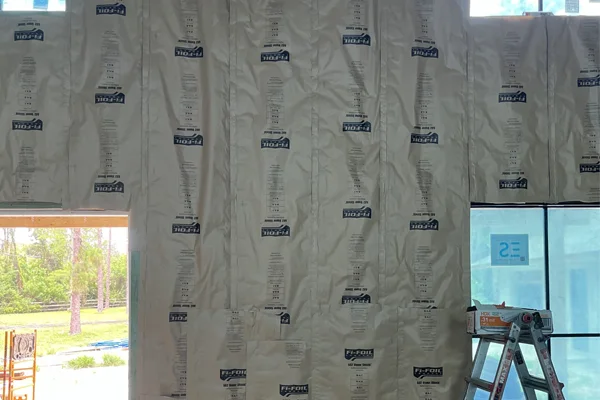
Suitable attics, garages, and wall assemblies
Free air sealing Free sanitation
Air sealing and sanitation included with insulation service.A SOLUTION FOR YOUR SPACE
South Florida gets plenty of sun. Reflective foil insulation can help manage radiant heat when it is installed in a suitable assembly with the required air space. We look at the whole space to decide how it fits into your insulation plan.
A reflective surface helps reduce radiant heat transfer when correctly installed.
Foil works as part of the building assembly. Position, air space, and existing insulation all matter.
We explain where a reflective product makes sense and how it complements other insulation.
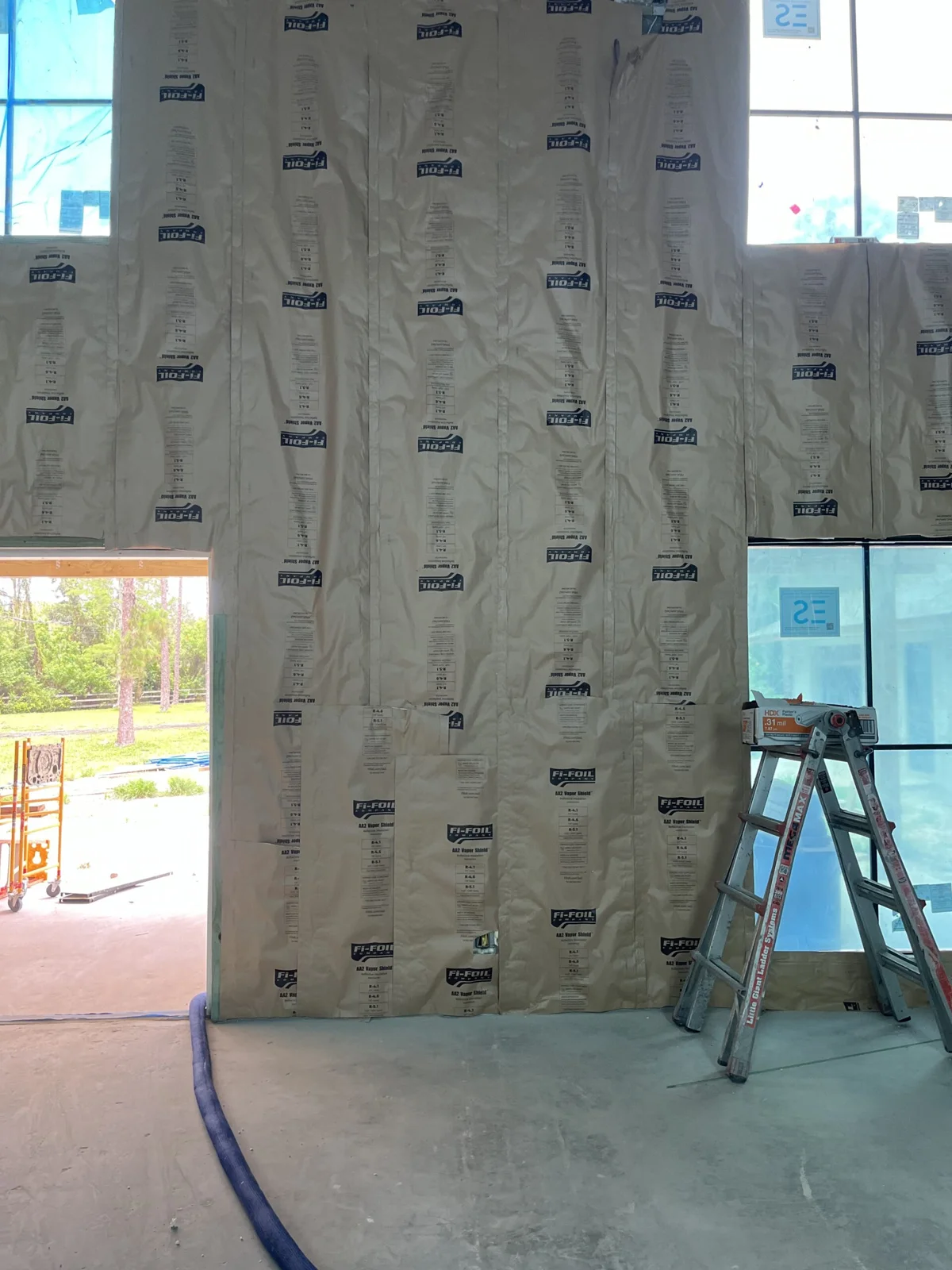
WHEN TO CONSIDER IT
A reflective product should be discussed as part of the space where it will be installed. The shiny surface alone is not the whole system: the facing direction, required air space and other insulation all matter. Bring the proposed location of the work to the inspection, along with any questions about how foil differs from foam, batts or loose-fill material.
YOUR PROJECT, STEP BY STEP
We review the accessible space and the insulation already there. Tell us whether the work involves an attic, wall or garage and whether other parts of the assembly will be changed.
A useful estimate identifies the product, its position and the preparation required. Ask where the necessary air space comes from and what other insulation will remain or be added.
The reflective material is installed as part of the agreed assembly. Its role should be clear, including which heat-transfer concern it addresses and how it complements the rest of the project.
THE QUESTIONS THAT MATTER
Not necessarily. Reflective insulation addresses radiant heat, while other materials slow heat flow in different ways. The best combination depends on the assembly and the conditions in your home.
No. Reflective systems address radiant heat, while foam, batts and loose-fill materials are commonly used to resist heat flow through an assembly. The right combination depends on the space and installation requirements.
A reflective surface needs an adjacent air space to perform its intended radiant-heat function. Ask how the proposed installation creates that space rather than judging a product only by its shiny appearance.
Suitability depends on the product and the building assembly. The inspection helps determine whether the required arrangement is possible and whether another material is also needed.
FROM THE ANYTIME JOURNAL
ANYTIME INSULATION. ALWAYS ABOUT YOU.
Start with a free inspection. We’ll take it from there.